No-Till Gardening: What It Actually Looks Like
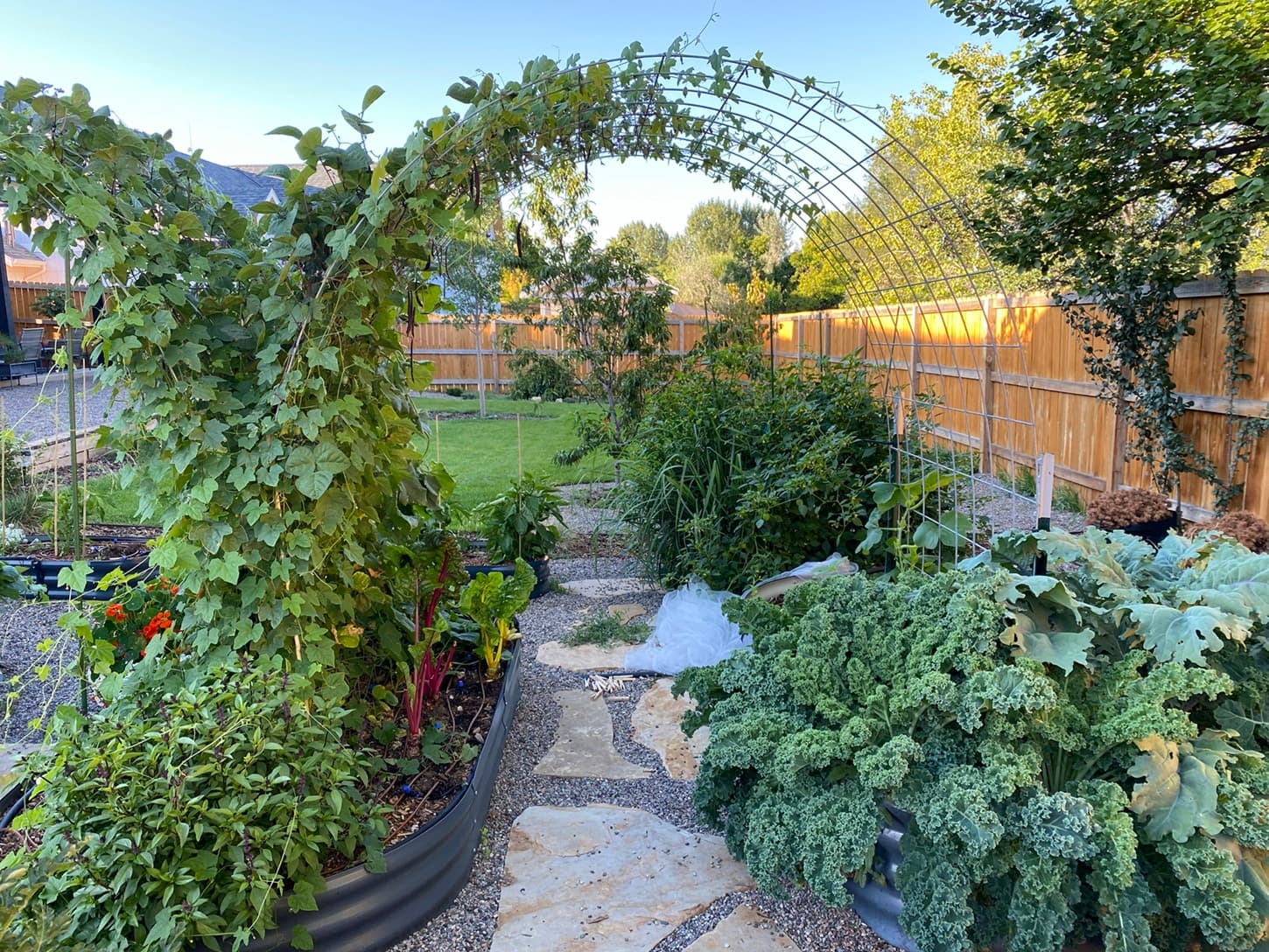
No-till gardening is one of the simplest changes you can make in your garden. The concept: stop turning over your soil. That's it.
I've been practicing no-till intentionally for about a year now, and honestly, it's less work than what I was doing before. If your plants struggle despite good watering and sun, your soil structure might be the issue. No-till helps rebuild that structure naturally.
What No-Till Gardening Actually Means
No-till means you don't use a rototiller, spade, or any tool to turn over large sections of soil. You're minimizing disturbance to preserve soil structure and protect the organisms living in it.
I still dig small holes when transplanting seedlings. I still pull weeds. But I'm not flipping entire beds or breaking up soil between plantings. The goal is minimal disruption, not zero disruption.
When a crop finishes, I chop the plant at soil level and leave the roots in the ground. They decompose in place, creating channels for water and air while feeding soil organisms. Then I plant around those decomposing roots until they break down completely.
Why It Works
Tilling destroys soil structure. When you turn soil over, you break up aggregates (clumps of soil particles held together by organic matter and fungal networks). Those aggregates create air pockets that roots need to grow and water needs to drain.
Tilling also disrupts fungal networks. Mycorrhizal fungi form relationships with plant roots, extending their reach and helping them access nutrients and water. These networks take months to establish. Every time you till, you destroy them and start over.
Without tilling, your soil biology stabilizes. Fungal networks grow. Earthworms and other beneficial organisms move freely. Organic matter breaks down at a steady rate instead of all at once (which happens when you expose it to oxygen through tilling). Over time, your soil becomes more fertile without you adding much.
Want to learn more about how soil organisms work? Check out our guide to building healthy garden soil.
How to Start No-Till (It's Simple)
Step one: Stop tilling. That's really it.
If you've been tilling your garden for years, just stop. You don't need to do anything special to transition. Your soil will start recovering immediately.
Here's what I do at the end of each season:
When a crop finishes: I chop the plant at the base with pruners or a knife. The stem and leaves either go to compost or get chopped and scattered as mulch if they're disease-free. The roots stay in the soil.
Before planting the next crop: I don't turn the soil. If the previous roots are still visible, I plant around them. If I'm direct sowing seeds, I might rake the surface lightly to create good seed-to-soil contact, but I'm not digging deep.
For transplants: I dig just enough to fit the root ball. Small, targeted disturbance. Not whole-bed tillage.
That's the entire method. You're working with your soil instead of constantly resetting it.
Mulching in a No-Till Garden
Mulch is helpful but not required — especially if you plant densely and use cover crops.
I've tried wood chips and grass clippings. Both work, but I prefer grass clippings for vegetable beds. Here's why:
Wood chips take a long time to break down. They create a thick barrier that's great for weed suppression, but they make planting seeds annoying. You have to move the mulch aside to plant, then move it back. When you transplant, it's easy to accidentally mix wood chips into the soil, which can temporarily tie up nitrogen as the wood decomposes. And if you hand water (which I sometimes do), the wood absorbs the water before it reaches the soil. You end up moving mulch aside constantly.
Grass clippings break down faster and are easier to work with. I spread them 1-2 inches thick around plants. They suppress weeds, retain moisture, and decompose into the soil within a few weeks. When I need to plant, I just push them aside. They don't interfere with watering.
Your best mulch depends on what you have access to and what you're growing. Straw works well. Shredded leaves work. Even cardboard works for pathways. Experiment and see what fits your situation.
The main point: keep your soil covered as much as possible. Bare soil dries out, erodes, and loses organic matter faster. Mulch or living plants protect it.
Dealing with Weeds Without Tilling
People worry that no-till means more weeds. In my experience, it's the opposite.
Tilling brings buried weed seeds to the surface where they germinate. Every time you turn soil, you're essentially planting weeds. When you stop tilling, you stop activating that seed bank.
I pull weeds by hand and drop them in place (as long as they haven't gone to seed). They decompose and return nutrients to the soil. It's called "chop and drop" and it works surprisingly well.
Over the past year, I've noticed fewer weeds overall. The ones that do sprout are easier to pull because the soil structure is better. Mulching helps even more by blocking light that weed seeds need to germinate.
If you're dealing with persistent perennial weeds (like bindweed or quack grass), mulch heavily or use cardboard as a weed barrier before planting. You might need to be more aggressive in year one, but it gets easier.
Keep Plants Growing (Or Keep Soil Covered)
One thing that's important: don't leave soil bare for long periods.
If you're removing a crop and not planting immediately, add compost and mulch. Or plant a cover crop. The soil needs to stay covered and biologically active.
Living roots feed soil organisms. When there are no plants growing, those organisms go dormant or die off. You lose the benefits you've been building.
I try to succession plant so there's always something in the ground. When my spring lettuce bolts, I transplant summer squash in the same spot. When tomatoes finish in fall, I plant garlic or cover crops. Continuous growing keeps the soil ecosystem functioning.
If you can't plant something, at least mulch heavily. It's not as good as living roots, but it's better than bare soil.
What I Track in Giddy Carrot
I use the tasks feature in Giddy Carrot to track soil amendments and observations. Each task can be linked to beds and/or plants and has a notes section to keep track of specifics.
I log things like:
- When I added compost and how much
- What mulch I used and how it performed
- Pest or disease issues (so I can rotate crops properly next year)
- Which plants I chopped and dropped vs. removed
I can filter tasks by bed to see what needs attention where.
It's simple tracking, but over time it shows patterns. I can see which beds have had the most amendments, which ones might need more attention, and how my soil is responding to no-till practices.
Common Questions About No-Till
"What if my soil is already compacted?"
You can still transition to no-till. In year one, you might need to break up compaction with a broadfork (a tool that loosens soil without turning it over). After that, let the roots and organisms do the work. Add compost on top and let earthworms incorporate it.
"How do I add compost without tilling it in?"
Just spread it on the surface. Earthworms, rain, and soil organisms will work it into the top few inches over time. You don't need to mix it in manually. This is called "top-dressing" and it works great.
"What about starting a new garden bed?"
If you're starting from scratch (like converting lawn to garden), you might need to do some initial soil prep. After that first disturbance, switch to no-till maintenance. Or use the "lasagna method" (layering cardboard, compost, and mulch) to build beds without any digging at all.
Is No-Till Worth It?
For me, yes. It's less physical work, my soil is improving, and I'm seeing fewer weeds over time. I'm not managing a complicated system or buying special equipment. I'm just leaving the soil alone and letting it do what it does naturally.
If you're curious, try it with one bed this season. Stop tilling that bed, add some compost on top, mulch if you can, and see what happens. Compare it to your tilled beds after a couple of seasons.
My guess is you'll notice healthier plants, better soil texture, and less maintenance work. That's been my experience, even after just one year.
Related Articles
Companion Planting: What the Science Actually Says (And What You Can Stop Worrying About)
Most companion planting lists were never scientifically tested. Here's what research actually supports — and why one simple change made the biggest difference in my garden.
Building Healthy Garden Soil: A Practical Guide
Learn how to identify your soil type and improve it for better vegetable growth. Discover why soil microbes matter and how to support them naturally.
Why Your Vegetable Varieties Matter More Than You Think
Choosing the wrong tomato variety cost me two seasons of early disease. One onion mistake meant no bulbs — ever. Here's what I learned about matching varieties to your climate.