Why Your Vegetable Varieties Matter More Than You Think
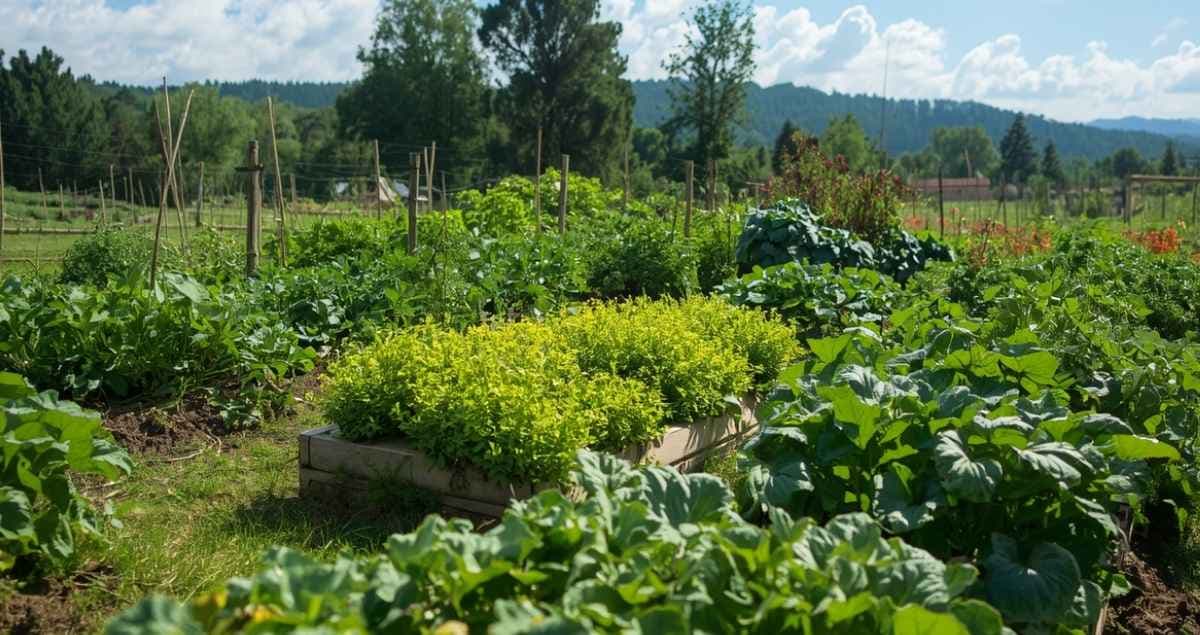
Most gardeners pick vegetable varieties the same way they pick produce at the grocery store: by how it looks and how it tastes. You want a sweet onion, so you buy a sweet onion variety. You want a rich, complex tomato, so you buy the one with the best reputation.
That's a reasonable place to start. But it's only part of the picture. The varieties you choose also carry a growing history: where they were developed, what conditions they were selected for, and whether those conditions have anything in common with your garden.
I learned this the hard way with onions. And then again with tomatoes. And then with eggplant, which eventually became one of the better stories.
I put together a free Annual Vegetable Planting Guide with spacing, timing, and start methods for common vegetables, herbs, and flowers. I'll link it at the end of this post.
The Onion That Never Formed a Bulb
My first year growing onions I did everything right. Good soil, consistent watering, healthy plants all season. When it came time to harvest, I pulled up a bed full of scallions. Long green tops, no bulbs.
I'd grown a short-day onion variety. I didn't know what that meant at the time, so I looked it up.
Onions form bulbs in response to day length, meaning the number of daylight hours in a given day. Short-day varieties bulb when days reach around 10-12 hours. Long-day varieties need 14-16 hours. Day-neutral varieties work across a wider range. Where I garden in western Colorado, summer days are long. A short-day variety would keep growing tops all season, waiting for a day-length signal that was never coming.
That wasn't a soil problem or a watering problem. No amount of care would have changed the outcome. The variety itself wasn't suited to my latitude.
Once I understood that, I started looking at varieties differently. Not just as flavor and appearance choices, but as plants with climate histories that either fit my conditions or don't.
Some Varieties Will Work Harder for You Than Others
Most beginner gardening advice skips variety selection almost entirely, or treats it as a secondary detail. Pick a tomato you like, plant it correctly, water it well. The rest should follow.
But some varieties will struggle in your climate no matter how well you grow them. They were developed for different conditions, different day lengths, different summer temperatures, different humidity levels. That history is in the plant's genetics, and it shows up in how the plant performs when conditions don't match what it was bred for.
This doesn't mean you can only grow varieties developed in your exact region, or that trying something new is a mistake. You can grow almost anything if you have the season for it and you're willing to work with it. The point is that when a crop consistently disappoints you and you can't figure out why, the variety is worth looking at before you decide you're just bad at growing that thing.
The Tomato That Kept Getting Sick
For a few years I grew Brandywine tomatoes. If you spend any time in gardening communities, you know the reputation. People talk about the flavor the way they talk about a great meal somewhere. Worth the effort. Worth the wait.
My Brandywines got disease early every single year, and it spread to my other tomato plants.
Brandywine is an old heirloom variety that was never bred for disease resistance. In climates with hot, humid summers and frequent rain, disease pressure is high because pathogens splash up from soil and spread quickly in warm, wet conditions. In my climate, summers are hot and dry with intense sun and cold nights, which is a different kind of stress. The combination of a disease-susceptible variety and conditions that already put plants under pressure meant those plants were always fighting uphill.
I kept growing Brandywines because the reputation said they were worth it. Eventually I accepted that a variety's reputation is not a growing recommendation. The best tomato for someone gardening in a mild, humid climate is not the best tomato for western Colorado. When I switched to varieties with genuine disease resistance that were suited to my conditions, the problem stopped.
Buy Seeds From Companies That Grow Where You Grow
This is one of the most useful pieces of advice in vegetable gardening, and almost nobody leads with it.
Seed companies develop and trial their varieties in specific places. A company based in your region has already done the selection work for your conditions. They've grown these varieties through your seasons, your weather, your challenges. The varieties in their catalog are the ones that performed. That makes their catalog a shortlist of what works where you live, which is more useful than a nationally distributed brand whose varieties were developed in completely different conditions.
This is also where open-pollinated varieties become worth paying attention to. When you find a variety that genuinely performs well in your garden, year after year, you can save seed from your best plants. Over time you're selecting for the individuals that thrived in your specific conditions: your soil, your altitude, your water, your sun. That's how gardeners have always adapted crops to local conditions, and it starts with choosing open-pollinated varieties over hybrids, whose saved seed won't breed true.
Timing Matters Too, and It Depends on Your Climate
For a long time my cool-season crops were inconsistent. Lettuce would bolt before it was ready. Spinach would struggle. Spring in western Colorado goes from cold to blazing hot faster than those crops can handle, and I could never quite catch them at the right moment.
Eventually I tried something different: instead of fighting spring, I planted cool-season crops in late summer for a fall harvest.
The difference was immediate. Fall temperatures drop gradually rather than spiking unpredictably. The plants get a longer, more stable window to develop. And cool-season crops that have been through a light frost — kale, spinach, carrots, and brassicas — often taste better for it. Frost converts starches to sugars in a way that heat never does.
This isn't a universal rule. If you garden somewhere with a long, mild spring, cool-season crops planted in spring will do just fine. But if your spring flips fast from cold to hot, and your cool crops have always struggled, fall planting is worth trying. It completely changed the success rate of half my garden.
When you plant something matters as much as what you plant, and when works depends on where you are.
The Eggplant That Finally Worked
My first year growing eggplant I harvested one fruit. It wasn't edible.
I assumed I wasn't good at eggplant and nearly wrote it off entirely. Before I gave up, I looked at what eggplant needs: heat, full sun, warm nights, a long season. And I started paying attention to where different varieties were developed.
That's how I found Aswad, a variety traditionally grown in the Middle East, developed for full sun, intense heat, and dry conditions. Exactly what western Colorado summers deliver.
Year two, with Aswad, I had an actual harvest. Nothing changed in my garden except the variety. Same beds, same soil, same watering. The difference was the fit between what the plant needed and what my conditions offer.
A lot of garden failures that feel like your fault aren't. Sometimes the variety just wasn't built for your garden.
Download Your Free Vegetable Planting Guide
Get instant access to planting data for 65 vegetables, herbs, and flowers — spacing, timing, sowing depth, and start method for every crop.
We respect your inbox. Unsubscribe anytime.
How to Find Varieties That Fit Your Garden
You don't need to research every seed before you plant anything. But a few habits make a real difference over time.
Find seed companies that trial and develop in your region. Search for seed companies in your state or climate zone. There are small seed companies in almost every region doing this work, and their catalogs are more useful to you than a nationally distributed brand that developed most of its varieties in different conditions. A packet of seeds from a company that trials in your climate will outperform a popular variety developed elsewhere more often than you'd expect.
Read the variety notes, not just the name and photo. Good seed companies tell you where a variety was developed, what conditions it excels in, and what problems it resists. That information is there if you look for it.
Ask locally. Your county extension office, local master gardener program, or a nearby community garden can tell you what performs in your area. These are people who've been growing in your specific conditions for years and have made a lot of the mistakes already.
Track what you grow. When you find a variety that performs well, write it down: the variety name, where you got the seed, what you noticed. If you can't remember which tomato produced the most and which one got disease every year, you're starting from scratch every spring with your memory as the only record. I keep this in Giddy Carrot, recording variety names and adding notes each season so I can compare year over year. If you're on Pro, it also calculates when to start seeds and when to direct sow based on your specific frost dates, so once you know which varieties you're growing, the timing works itself out.
Where to Go From Here
The Annual Vegetable Planting Guide covers spacing, sow depth, start method, and timing for common vegetables, herbs, and flowers. It won't tell you which variety to choose because that depends on your climate and your garden, but it gives you the planting framework once you've made that call.
Download Your Free Vegetable Planting Guide
Get instant access to planting data for 65 vegetables, herbs, and flowers — spacing, timing, sowing depth, and start method for every crop.
We respect your inbox. Unsubscribe anytime.
If you want to take the next step and get your whole garden mapped out and scheduled, the post on how to plan a productive vegetable garden walks through how to do that.
Have a variety that surprised you — something that performed way better or worse than expected for your climate? I'd like to know.
Related Articles
Companion Planting: What the Science Actually Says (And What You Can Stop Worrying About)
Most companion planting lists were never scientifically tested. Here's what research actually supports — and why one simple change made the biggest difference in my garden.
How to Plan a Productive Vegetable Garden (Step-by-Step)
Learn how to plan a vegetable garden that produces continuous harvests all season. Step-by-step guide covering layout, succession planting, and making the most of your space.
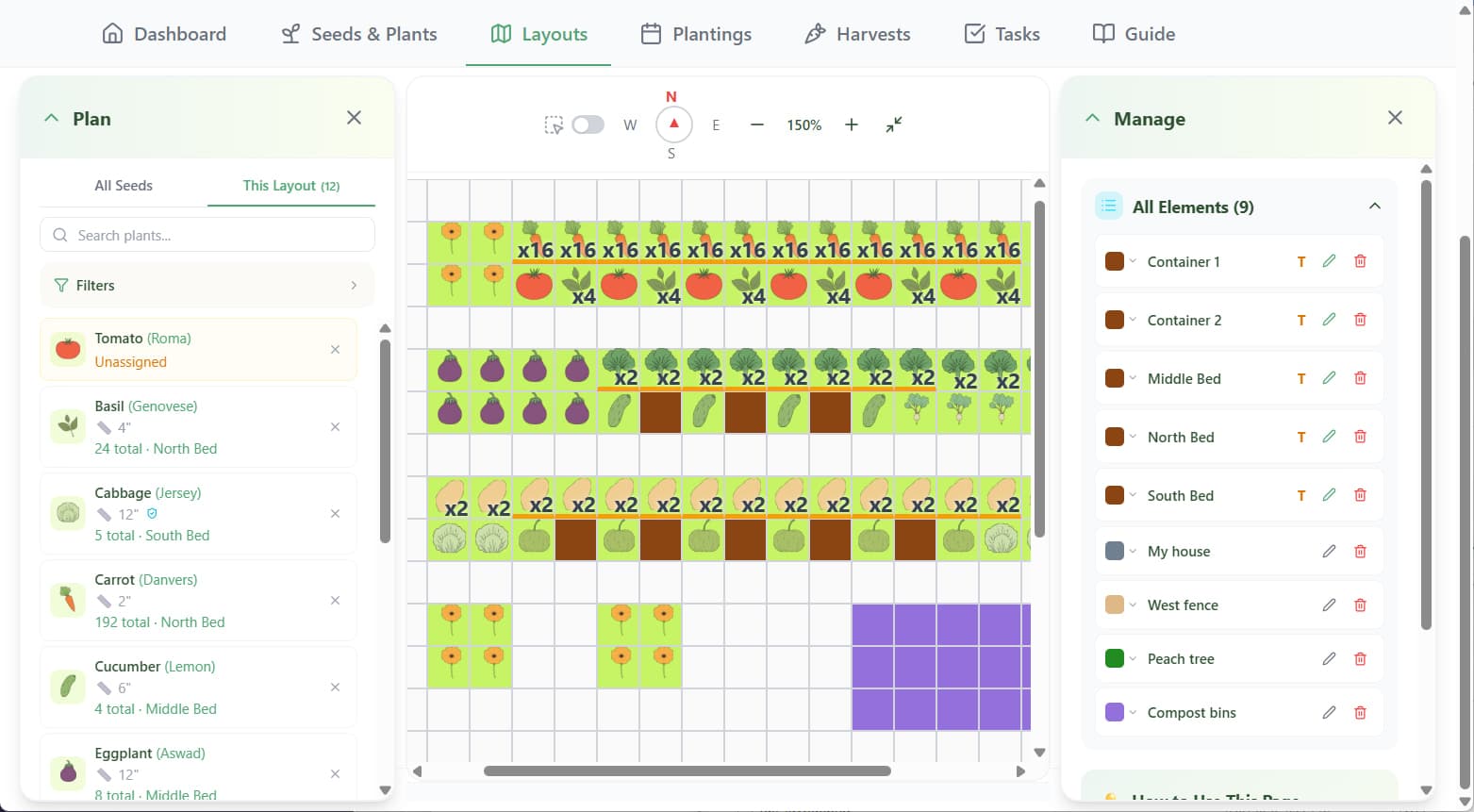
I Built the Garden Planning App I Couldn't Find Anywhere Else
Most garden apps plan one bed at a time. Giddy Carrot's Layout Planner maps your whole space — and finally gives you a system for deciding what goes where.